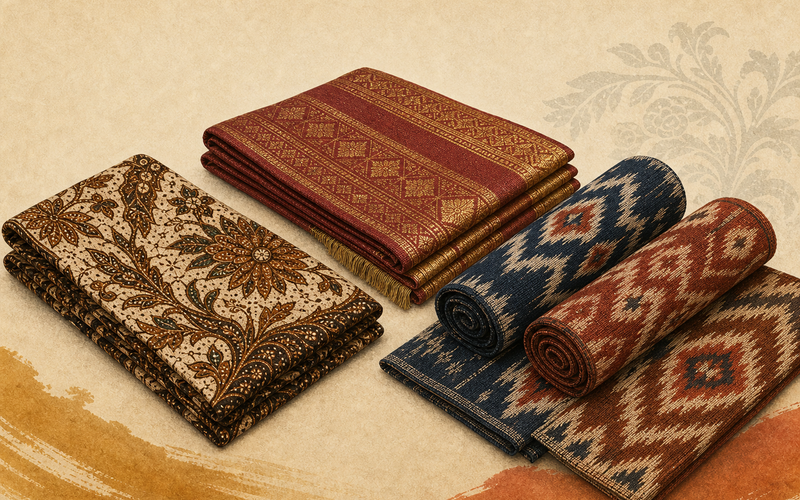
The Philosophy and Symbolism of Batik Motifs Across the Indonesian Archipelago
Batik, a traditional Indonesian textile art, is renowned for its intricate patterns and vibrant colors. Each motif carries deep cultural and philosophical meanings, reflecting the diverse heritage of the Indonesian archipelago. This article delves into the symbolism behind various batik designs and their significance in Indonesian culture.
Historical Background
Batik has a long history in Indonesia, with evidence of its existence dating back to the 6th century. The art form flourished under the influence of Hindu-Buddhist kingdoms, which contributed to the development of complex patterns and techniques. Over time, batik became an integral part of Indonesian cultural identity, with each region developing its unique styles and motifs.
Regional Variations
Javanese Batik
Javanese batik is perhaps the most well-known, characterized by its intricate designs and philosophical depth. The motifs often depict elements of nature, mythology, and spirituality. For instance, the 'Parang' pattern symbolizes strength and resilience, while the 'Kawung' motif represents harmony and balance.
Balinese Batik
In Bali, batik motifs are heavily influenced by Hindu mythology and local traditions. The designs often feature deities, mythical creatures, and scenes from epic tales. These motifs are not only decorative but also serve as a medium for storytelling and preserving cultural narratives.
Sumatran Batik
Sumatran batik is distinguished by its bold colors and geometric patterns. The motifs often reflect the region's rich history of trade and cultural exchange. For example, the 'Cucuk' pattern, resembling a bird's beak, symbolizes prosperity and good fortune.
Symbolism and Philosophy
Batik motifs are imbued with symbolic meanings that convey philosophical concepts and cultural values. The use of specific colors, shapes, and patterns is intentional, often reflecting the wearer's social status, beliefs, and aspirations.
Colors and Their Meanings
Colors play a crucial role in batik symbolism. For instance, white represents purity and spirituality, while red signifies courage and passion. The combination of colors in a batik piece can convey complex messages and emotions.
Patterns and Their Significance
Patterns in batik are not merely decorative; they are laden with meaning. The 'Mega Mendung' motif, resembling clouds, symbolizes hope and protection. Similarly, the 'Truntum' pattern, often used in wedding ceremonies, represents everlasting love and fidelity.
Conclusion
Batik is more than just a textile art; it is a cultural expression that embodies the rich heritage and philosophical depth of Indonesia. By understanding the symbolism and philosophy behind batik motifs, we gain insight into the values and beliefs that have shaped Indonesian society for centuries. As a living tradition, batik continues to evolve, reflecting the dynamic cultural landscape of the archipelago.