Music and Dance
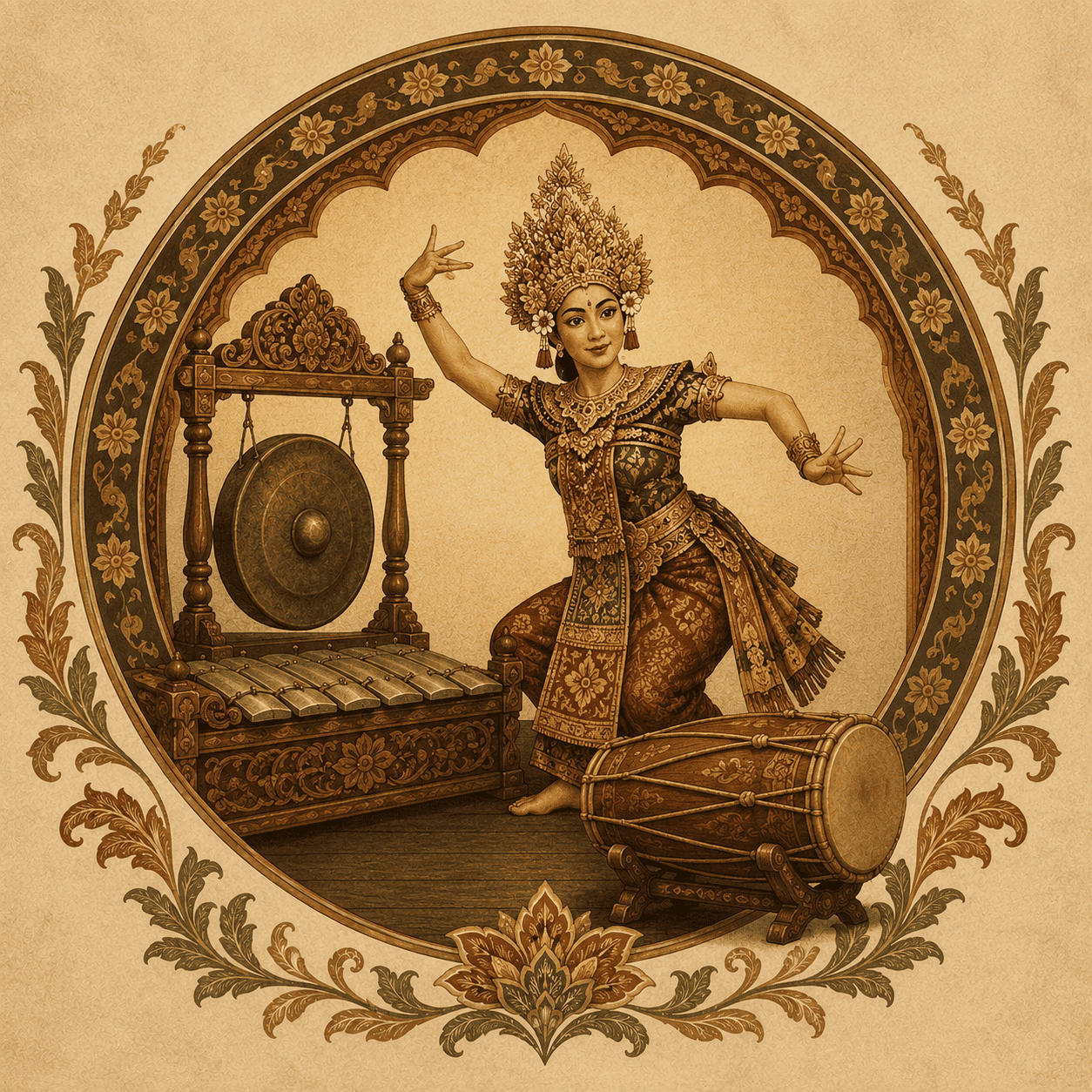
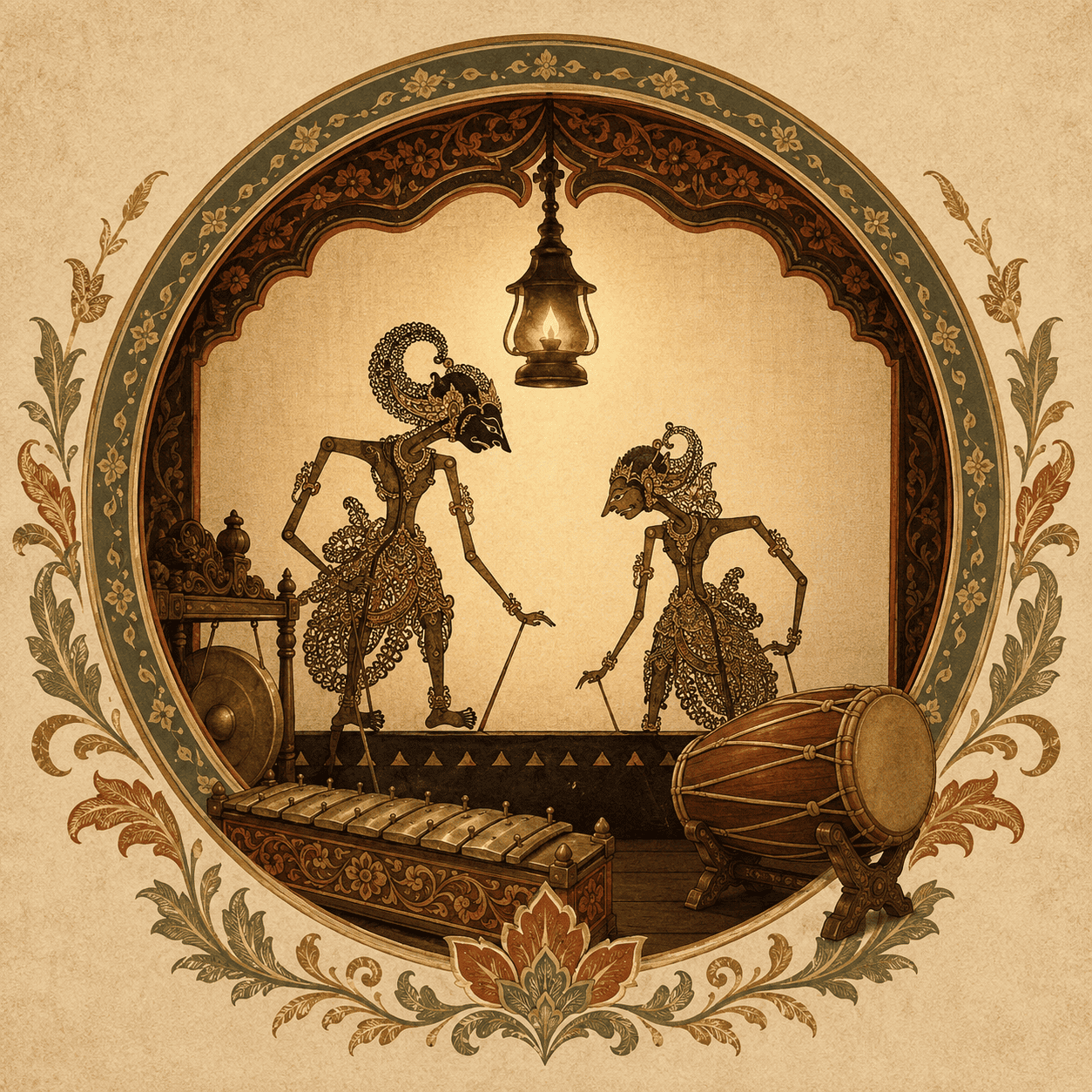
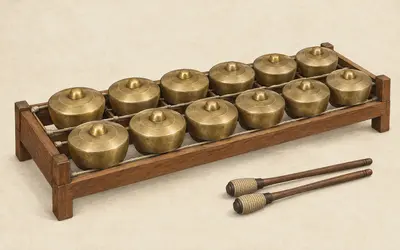
The Bonang: Structure, Sound, and Role in Javanese Gamelan
Explore the bonang’s bossed gongs, barung and panerus registers, playing techniques, and documented role in Central Javanese gamelan.
Read article
Digital Museum of Indonesian Heritage
Nusantara Museum brings together cultural objects, historical context, and accessible essays from across Indonesia.
Living Cabinet
Follow recurring themes across the museum, from ritual objects and maritime exchange to Batak carving, textiles, masks, and printed memory.
Ritual objects, symbols, and beliefs from Batak heritage in Sumatra.
Temples, houses, boats, seafaring traditions, and built environments shaped by region.
Sacred practices, religious symbolism, healing traditions, and systems of belief.
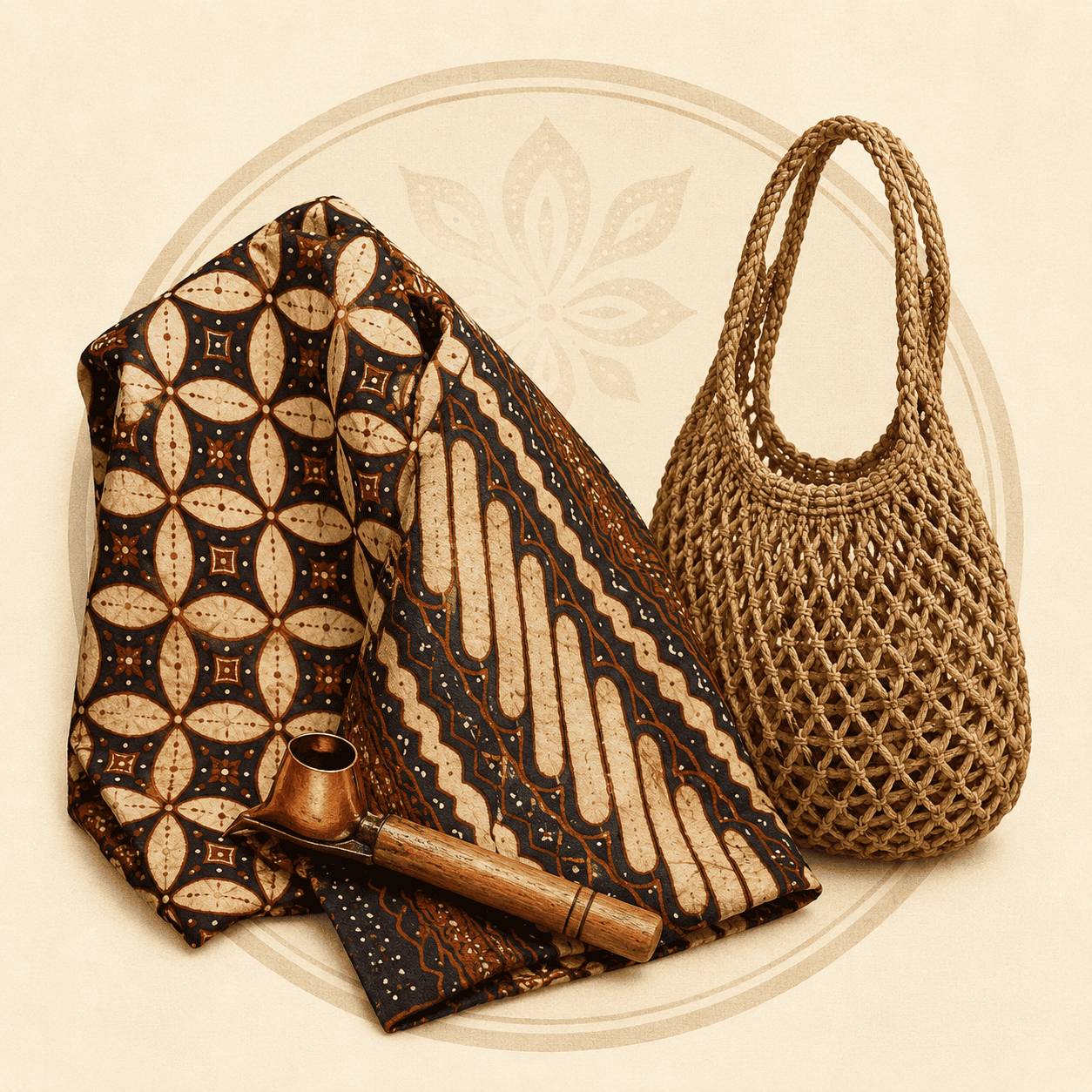
Weaving, batik, dress, metalwork, and other craft traditions from across Indonesia.
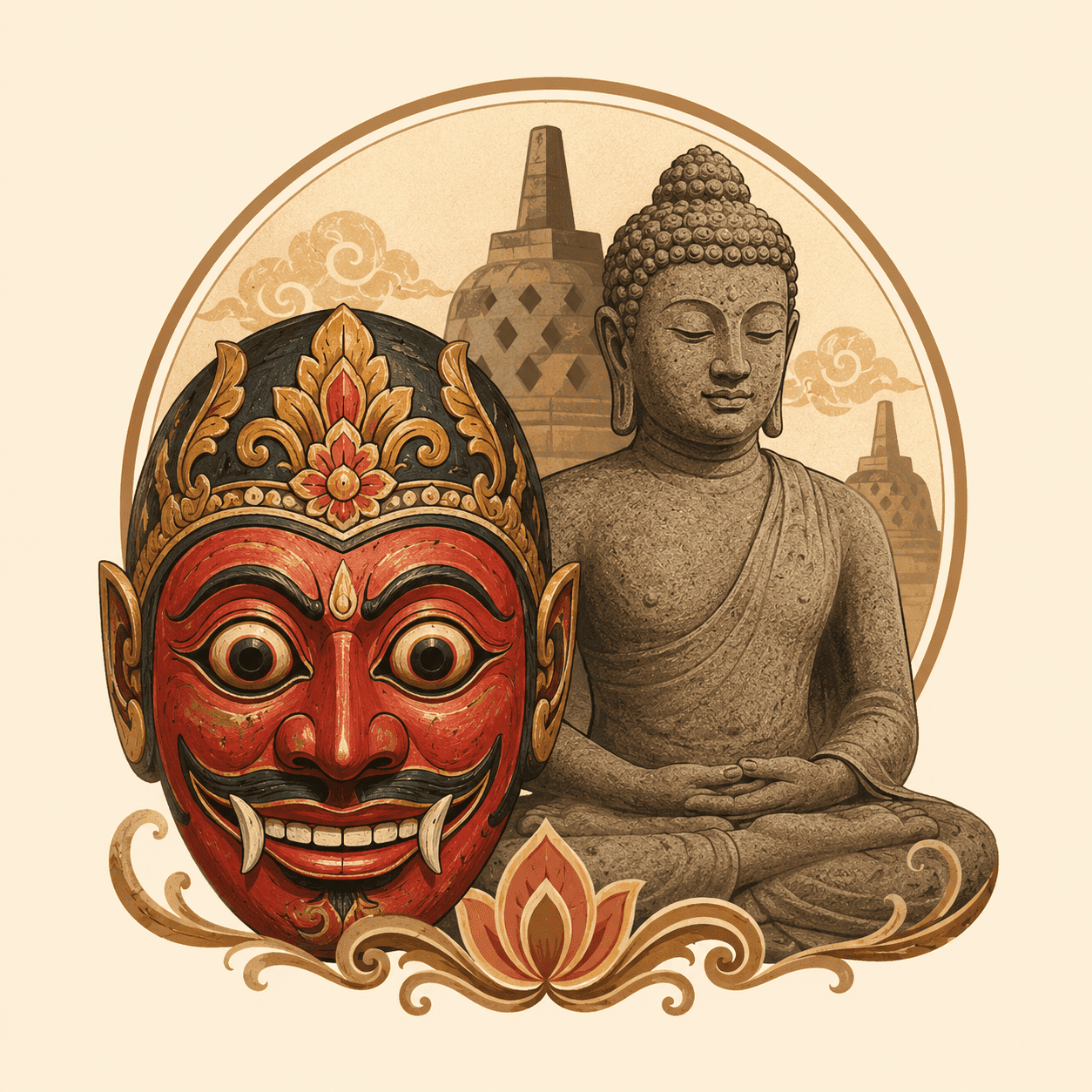
Anthropomorphic masks and sculptural forms from Indonesian islands.
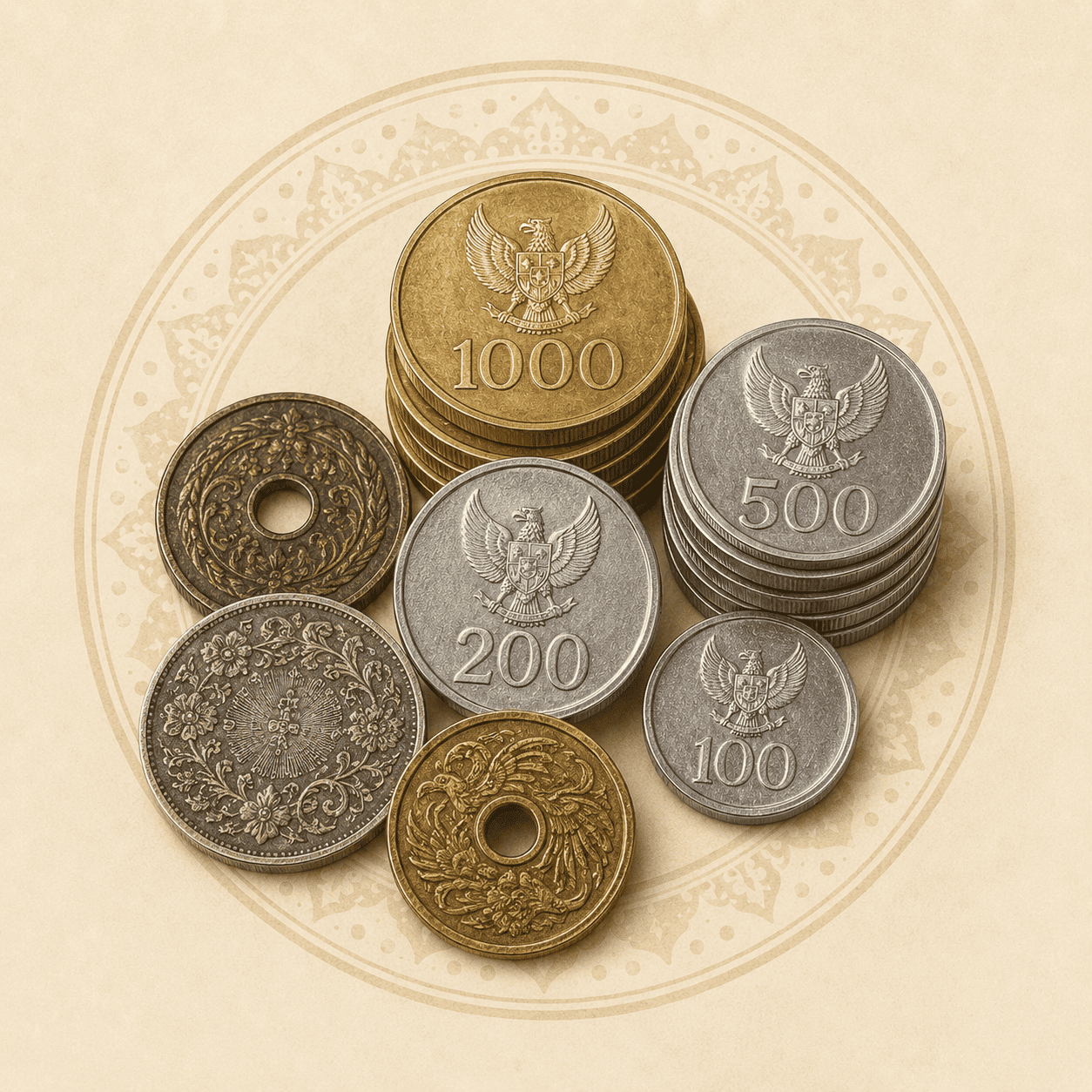
Banknotes and monetary history from colonial and modern Indonesia.
Object Gallery
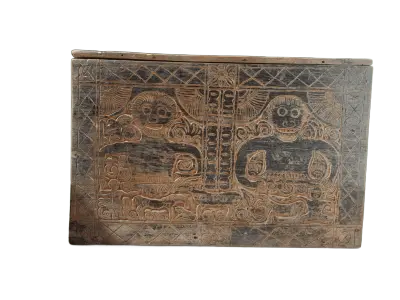
An analysis of a carved wooden storage box from Lombok featuring guardian figures, a gecko motif, and a naga inspired dragon, reflecting strong Balinese artistic influence and regional craftsmanship.
Read article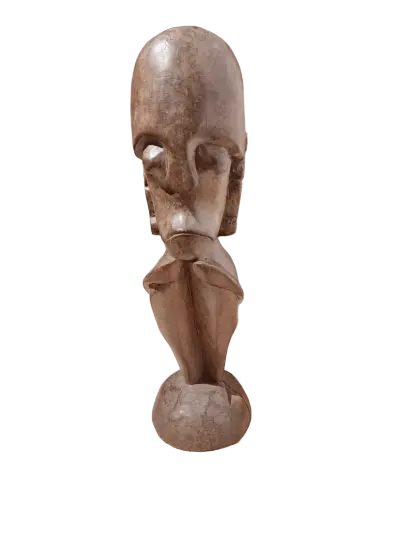
An exploration of a Batak pangulubalang statue carved from a single piece of pale hardwood, examining ancestral symbolism, posture, and spiritual meaning in Batak culture.
Read article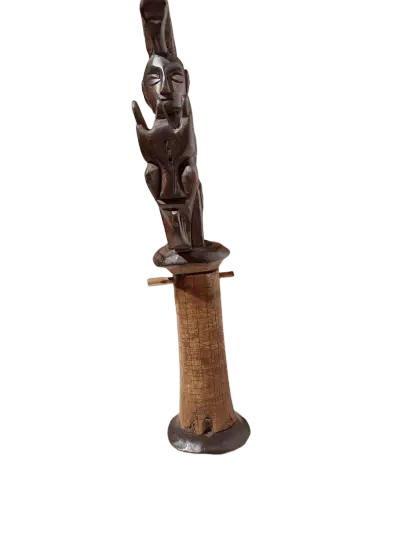
An in depth study of a Batak porhalaan medicinal container carved from buffalo horn and wood, exploring the Batak calendar, singa symbolism, and the ritual role of the datu in North Sumatra.
Read article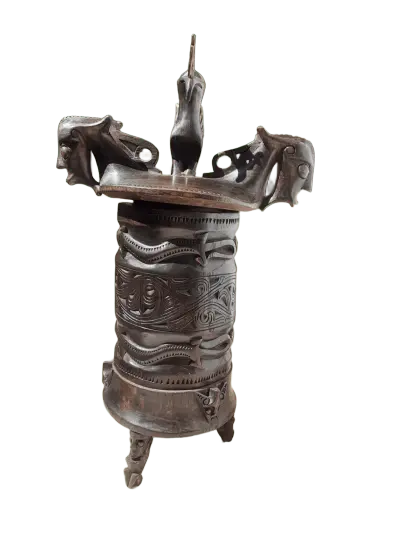
A detailed examination of a carved wooden Batak container, likely used for betel and lime, featuring human-shaped legs, Batak motifs including spirals, a stylized gecko deity, and a lid with twin singa heads and a bird figure.
Read article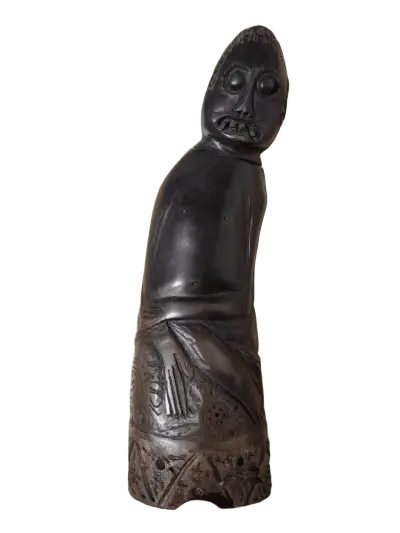
An examination of a pair of carved buffalo horn male and female figures from Lombok, likely used as lime and betel containers within the broader tradition of betel chewing in Indonesia.
Read article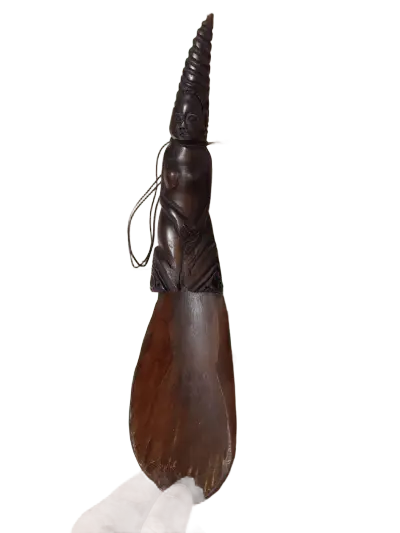
A study of a carved water buffalo horn object from Lombok, likely used as a rice scooper, featuring a female figure and a spiral-form handle.
Read article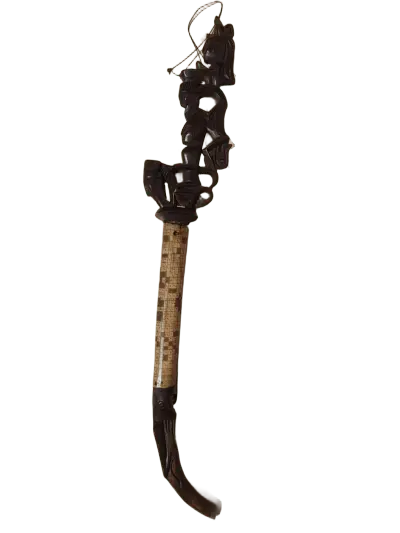
An in-depth study of a Batak porhalaan: a carved buffalo bone container for medicinal plants featuring a detachable carved wooden top with singa and anthropomorphic riders, a carved bottom with an elongated singa, and calendar motifs.
Read article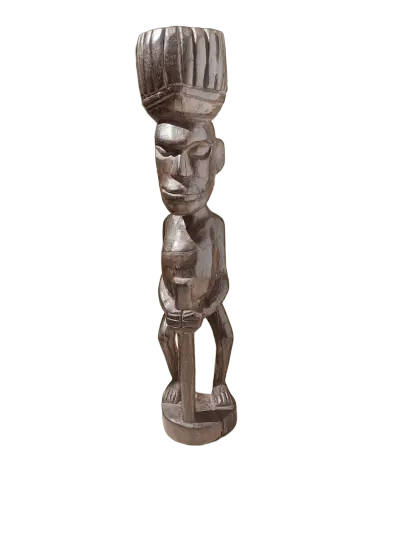
An analysis of a standing wooden ancestor figure holding a vertical staff, most likely associated with Papuan carving traditions of eastern Indonesia, exploring stylistic features and cultural context.
Read article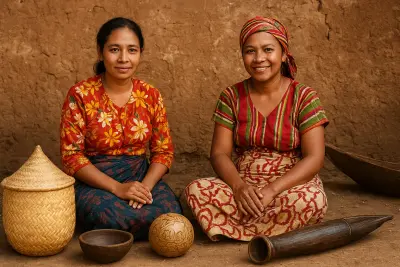
A detailed look at Indonesian influence in Madagascar: history, migration, and linguistic similarities between Austronesian and Malagasy.
Read articleExplore by Topic
Explore the bonang’s bossed gongs, barung and panerus registers, playing techniques, and documented role in Central Javanese gamelan.
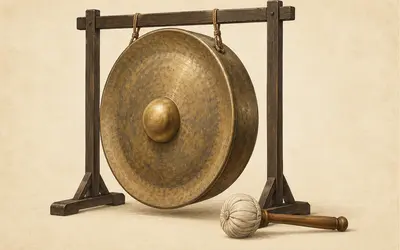
Explore how Javanese bronze gongs connect casting and forging in Wirun with tuning, musical cycles, and the heirloom life of Yogyakarta gamelan.
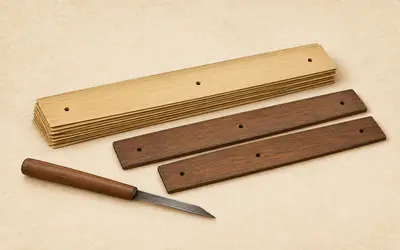
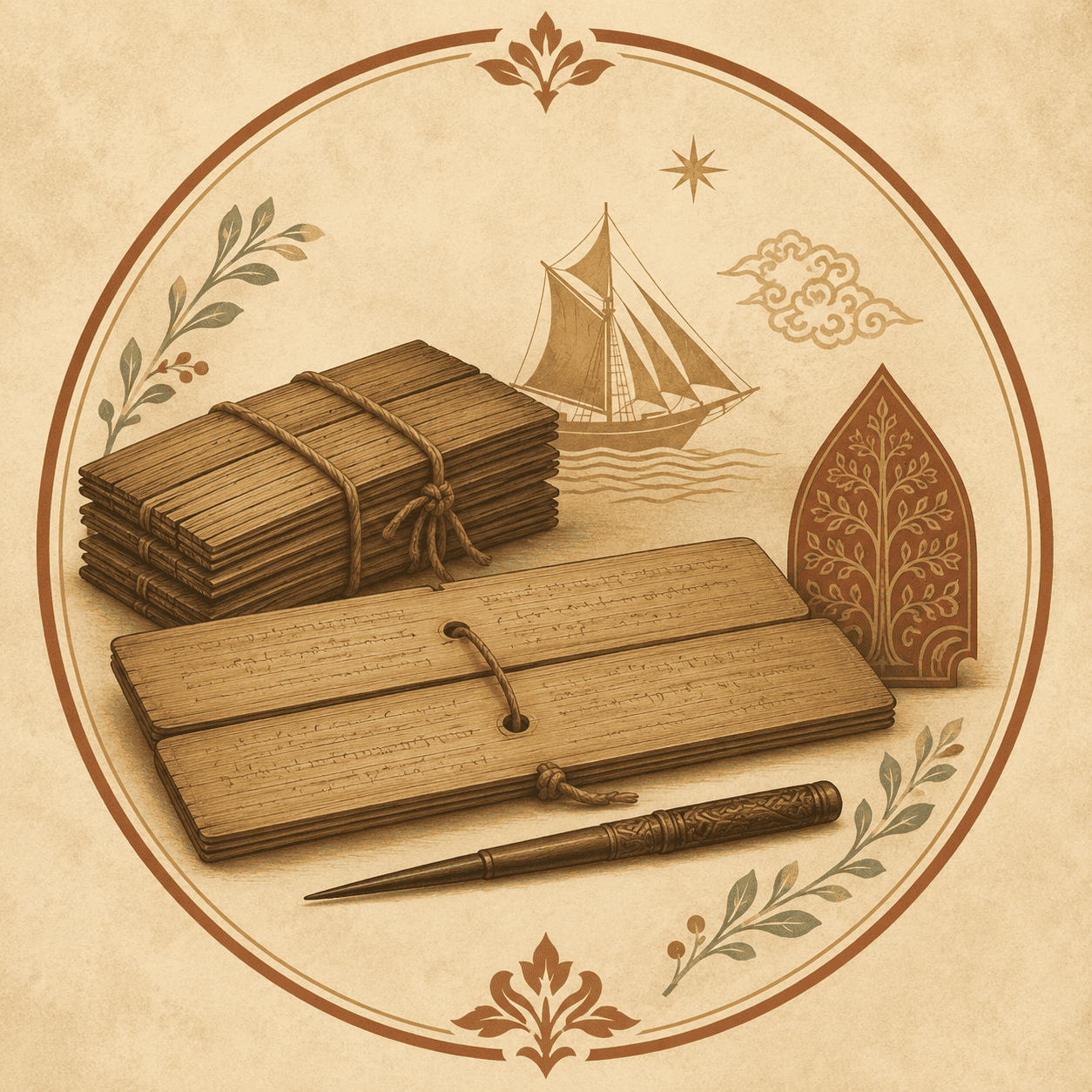
Follow documented Balinese lontar making from leaf selection and preparation to incised writing, darkening, protective covers, and manuscript care.
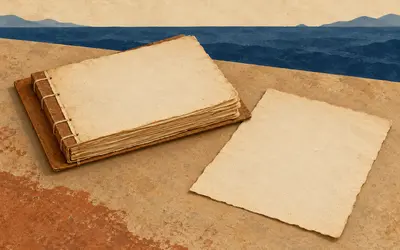
Malay manuscripts in Jawi connect Islamic learning, court documents, and copying networks from Sumatra and Riau to Semarang and Makassar.

How Pegon adapted Arabic letters for Javanese and Sundanese learning, poetry, and historical writing, with identifiable manuscript examples.
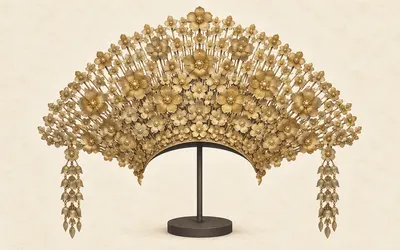
Explore Minangkabau suntiang through its tiered ornaments, Padang assembly techniques, bridal responsibilities, local wearing traditions, and museum evidence.
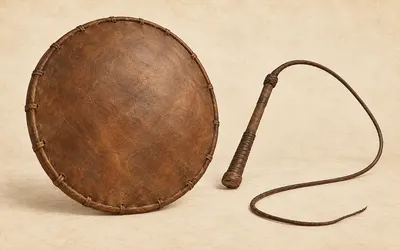
Explore Manggarai Caci in western Flores through its whip-and-shield equipment, harvest ceremonies, music, and relationships between participants.
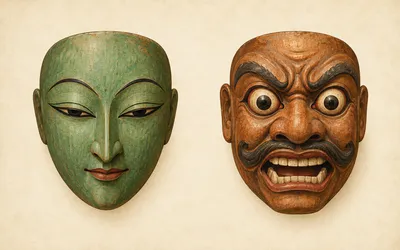
Explore how carved Topeng masks become characters through dance, storytelling, and ceremony in Cirebon, Malang, and Bali.
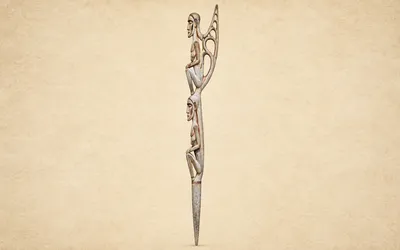
Explore how Asmat bisj poles transform a tree into a memorial sculpture through named ancestors, skilled carving, and communal ritual.
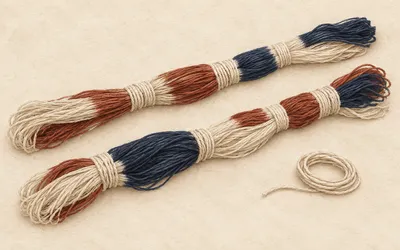
Discover how Tenganan's gringsing brings double-ikat skill, beliefs about protection, and the transmission of weaving knowledge into one cloth.