The Cultural Importance of Gamelan Music in Ceremonial Life
Gamelan music, a traditional ensemble music of Java and Bali in Indonesia, holds a significant place in the cultural and ceremonial life of the Indonesian people. This intricate and melodious form of music is not only an art form but also a vital component of various religious and social ceremonies.
Historical Background
The origins of Gamelan music can be traced back to the Hindu-Buddhist period in Indonesia, with influences from Indian, Chinese, and indigenous Indonesian musical traditions. The word "Gamelan" itself is derived from the Javanese word "gamel," meaning to strike or hammer, which reflects the primary method of playing the instruments.
Instruments and Composition
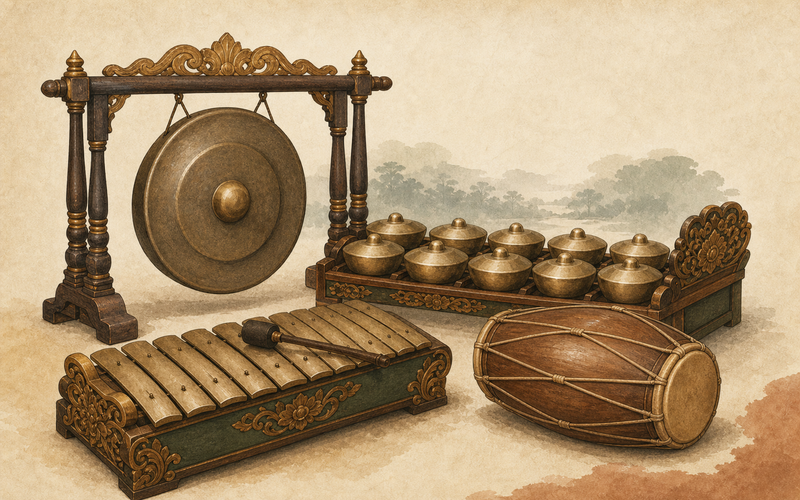
A Gamelan ensemble typically consists of a variety of instruments, including metallophones, xylophones, drums, gongs, and bamboo flutes. Each instrument plays a specific role, contributing to the overall harmony and rhythm of the performance. The music is characterized by its layered textures and cyclical patterns, creating a mesmerizing auditory experience.
Role in Ceremonies
Gamelan music is integral to many Indonesian ceremonies, including weddings, funerals, and religious rituals. It is believed to have spiritual significance, often used to accompany traditional dances and theatrical performances such as Wayang Kulit, the Javanese shadow puppet theater. The music sets the tone for the event, enhancing the emotional and spiritual atmosphere.
Cultural Significance
Beyond its ceremonial use, Gamelan music is a symbol of Indonesian cultural identity. It represents the diversity and richness of the archipelago's cultural heritage. The music is taught in schools and universities, ensuring its preservation and continued relevance in modern Indonesian society.
Conclusion
Gamelan music remains a vital part of Indonesia's cultural fabric, embodying the nation's artistic and spiritual traditions. Its role in ceremonial life underscores its importance as a cultural treasure, cherished by Indonesians and appreciated by audiences worldwide. As Indonesia continues to evolve, Gamelan music serves as a bridge between the past and the present, maintaining its place as a cornerstone of Indonesian cultural expression.