Introduction
Java, the most populous island in Indonesia, is not only known for its vibrant culture and history but also for its rich tradition of herbal medicine. This practice, deeply rooted in the island's history, has been passed down through generations and remains an integral part of Javanese culture today. Traditional herbal medicine in Java, often referred to as "jamu," is a holistic approach to health that combines the use of natural ingredients with spiritual and cultural beliefs.
Historical Roots of Jamu
The origins of jamu can be traced back to ancient times, with evidence suggesting that herbal medicine practices in Java date back over a thousand years. The influence of Hindu-Buddhist culture, which dominated the region from the 5th to the 15th century, played a significant role in shaping these practices. Ancient texts and inscriptions reveal that herbal medicine was not only used for healing but also for maintaining spiritual balance and harmony.
During the Majapahit Empire, which flourished in the 14th century, jamu became more systematized. The royal courts employed herbalists who were responsible for preparing remedies for the royal family and the nobility. This period saw the development of many traditional recipes that are still used today.
Ingredients and Preparation
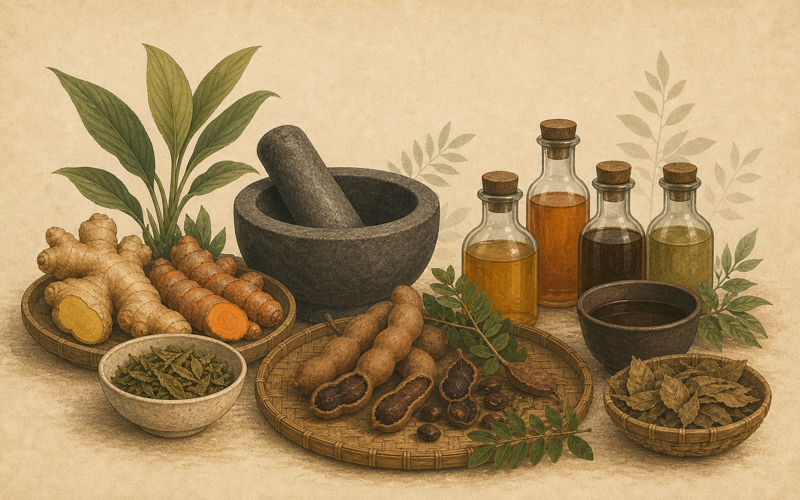
Jamu is made from a variety of natural ingredients, including roots, bark, flowers, seeds, and leaves. Some of the most commonly used ingredients are turmeric, ginger, tamarind, and lemongrass. These ingredients are often combined with honey, lime, or palm sugar to enhance their flavor and medicinal properties.
The preparation of jamu is a meticulous process that requires knowledge and skill. Traditionally, the ingredients are ground into a paste using a mortar and pestle, then mixed with water to create a drinkable concoction. The preparation process is often accompanied by prayers and rituals, reflecting the spiritual aspect of jamu.
Cultural Significance
Jamu is more than just a form of medicine; it is a cultural practice that reflects the values and beliefs of the Javanese people. It is often associated with traditional ceremonies and rituals, such as weddings and childbirth, where it is used to promote health and well-being.
In Javanese society, the knowledge of jamu is traditionally passed down from mothers to daughters, ensuring that the practice remains a vital part of the community. This transmission of knowledge is not only about the recipes but also about the cultural and spiritual significance of the practice.
Modern Adaptations and Challenges
In recent years, there has been a resurgence of interest in traditional herbal medicine, both in Indonesia and globally. This has led to the commercialization of jamu, with many products now available in stores and online. However, this commercialization poses challenges, such as the standardization of recipes and the sustainability of natural resources.
Despite these challenges, many Javanese people continue to rely on jamu as a primary form of healthcare. Efforts are being made to preserve traditional knowledge and practices, with initiatives to document and promote the cultural heritage of jamu.
Conclusion
Traditional herbal medicine practices in Java offer a fascinating insight into the island's rich cultural heritage. Jamu, with its blend of natural ingredients and spiritual beliefs, remains an important aspect of Javanese life. As interest in natural and holistic health continues to grow, the preservation and promotion of these traditional practices are more important than ever. By understanding and respecting the cultural significance of jamu, we can ensure that this valuable tradition is passed on to future generations.